
How AI is Transforming Digital Marketing in 2025
Digital marketing has always been about adapting to change. From the rise of social media to video marketing, each shift has pushed businesses to rethink how they connect with people. Now in 2025, Artificial Intelligence (AI) is driving the biggest transformation yet.
AI is no longer just a “tech trend.” It has become the backbone of how brands run campaigns, create content, and build customer relationships. Let’s explore how AI is reshaping digital marketing in 2025 and what it means for businesses of all sizes.
1. Personalization Like Never Before
In the past, personalization meant adding someone’s name in an email. In 2025, AI takes it much further.
-
Websites adjust automatically based on user behavior.
-
Online stores recommend products you’re most likely to buy.
-
Emails change content in real time to match your interests.
This hyper-personalization makes customers feel understood, which leads to stronger trust and higher sales.
2. Smarter Content Creation
Content is still king, but now AI is the co-creator.
-
AI tools write blog drafts, ad copies, and social media posts.
-
Video platforms auto-generate product demos, reels, and shorts.
-
SEO tools suggest trending topics before they go viral.
This doesn’t replace human creativity. Instead, it frees marketers to focus on strategy while AI handles the heavy lifting.
3. AI in SEO and Search
Search is evolving fast. With AI-powered search engines and voice assistants, customers now search in natural language, not just keywords.
In 2025:
-
Voice search queries are longer and more conversational.
-
AI-based search results focus on intent, not just exact words.
-
Predictive SEO tools help brands prepare content before demand peaks.
For businesses, this means writing content that answers questions clearly and feels human—not just keyword stuffing.
4. AI Chatbots and Virtual Assistants
Customer service has gone 24/7 thanks to AI chatbots.
Unlike old bots, today’s AI assistants understand tone, emotions, and context. They can:
-
Answer FAQs instantly.
-
Suggest products while chatting.
-
Solve complaints or even pass them to a human when needed.
This improves customer experience while cutting business costs.
5. Predictive Analytics
One of AI’s biggest strengths is predicting what customers will do next.
-
E-commerce brands can forecast shopping trends.
-
Streaming apps predict what users want to watch.
-
Subscription services spot customers likely to cancel and act fast.
By knowing what’s coming, businesses save time, reduce risk, and get better results from their campaigns.
6. Smarter Advertising
AI has made digital ads far more effective.
-
Ads now adjust in real time based on performance.
-
Targeting goes beyond demographics—it focuses on behavior and intent.
-
Fraud detection tools protect businesses from fake clicks.
Simply put, AI makes sure every marketing dollar is spent wisely.
7. Understanding Emotions with AI
A new trend in 2025 is emotional AI.
This technology can analyze voice tones, facial expressions, or online behavior to understand how customers feel.
For example:
-
Brands test ads by measuring real-time emotional reactions.
-
Social listening tools track customer sentiment about a brand.
This helps businesses create marketing that truly connects on a human level.
8. AI-Powered Marketing Automation
Marketing automation isn’t new, but AI makes it smarter.
-
AI decides the best time to send emails.
-
It personalizes offers for each customer journey.
-
It automatically nurtures leads with relevant content.
This means less manual work and more meaningful engagement.
9. Data Privacy and Trust
With so much data being used, privacy is a big topic in 2025. Customers want personalization but also want their data to be safe.
Brands that are transparent about how they use AI—and respect privacy—will earn trust and loyalty.
10. Humans + AI = The Future of Marketing
AI is powerful, but it doesn’t replace people. The best marketing in 2025 happens when AI and humans work together.
-
AI handles data, trends, and automation.
-
Humans bring creativity, empathy, and storytelling.
This partnership creates campaigns that are smart, efficient, and emotionally engaging.
Conclusion
AI is no longer optional—it’s a necessity in digital marketing. From personalization and predictive analytics to content creation and customer service, AI is helping brands deliver better experiences while saving time and money.
Businesses that embrace AI in 2025 will have a clear edge over those that don’t. The future of digital marketing isn’t just digital anymore—it’s AI-powered and human-centered.
Top 7 Marketing Automation Tools Every Business Should Use
 In today’s fast-moving digital world, marketing automation is no longer a luxury—it’s a necessity. Whether you’re running a small startup or managing a large enterprise, automation tools help you save time, streamline workflows, and deliver personalized experiences to your customers.
Instead of manually sending emails, tracking leads, or posting on social media, automation platforms do the heavy lifting for you. The result? More efficiency, better customer engagement, and higher ROI.
If you’re wondering which tools are worth your investment, here are the top 7 marketing automation tools every business should use in 2025.
1. HubSpot Marketing Hub
Best for: All-in-one inbound marketing and CRM
HubSpot is one of the most popular names in digital marketing, and for good reason. Its Marketing Hub combines automation, CRM, and analytics in one easy-to-use platform.
Key features include:
-
Email marketing automation with personalization.
-
Lead tracking and nurturing workflows.
-
Smart content creation and SEO tools.
-
Integrated CRM for complete customer insights.
HubSpot is ideal for businesses that want a single platform to manage marketing, sales, and customer service. While it can be on the pricier side, its scalability makes it worth the investment.
2. Mailchimp
Best for: Email marketing automation
Mailchimp started as an email marketing platform but has grown into a full automation tool. It’s especially popular among small and medium-sized businesses.
What you can do with Mailchimp:
-
Automate welcome emails, abandoned cart reminders, and follow-ups.
-
.Use AI-driven suggestions for subject lines and send times.

-
Create simple landing pages and sign-up forms.
-
Track customer journeys and segment audiences with ease.
Mailchimp’s user-friendly interface makes it perfect for beginners. Plus, its free plan is great for businesses just starting with automation.
3. ActiveCampaign
Best for: Customer experience automation
If you want to go beyond email marketing and focus on customer relationships, ActiveCampaign is a fantastic choice.
Why it stands out:
-
.Advanced email marketing workflows with triggers.

-
Built-in CRM for lead scoring and sales pipeline management.
-
SMS marketing automation.
-
Predictive sending powered by AI.
ActiveCampaign is particularly useful for businesses that want personalized experiences at every stage of the customer journey.
4. Marketo Engage (by Adobe)
Best for: Enterprise-level automation
Marketo is a powerful tool designed for larger businesses that need advanced automation. Now part of Adobe, it integrates seamlessly with other Adobe tools for a complete marketing ecosystem.
Top features:
-
Lead management and advanced scoring.

-
Account-based marketing (ABM) capabilities.
-
Multi-channel campaigns across email, web, and mobile.
-
Detailed analytics and reporting.
Marketo may be too complex (and costly) for small businesses, but it’s perfect for enterprises managing large-scale campaigns.
5. Salesforce Marketing Cloud
Best for: AI-driven personalization
Salesforce is known for its CRM, and its Marketing Cloud takes automation to the next level.
Highlights include:
-
.AI-powered personalization with Salesforce Einstein.

-
Journey Builder to map customer interactions.
-
Email, SMS, and push notification automation.
-
Strong integration with the Salesforce CRM.
For businesses already using Salesforce, this tool is a no-brainer. It helps create a 360-degree view of the customer and improves campaign efficiency.
6. Zoho Marketing Plus
Best for: Budget-friendly all-in-one marketing
Zoho has steadily grown into a reliable option for businesses that want affordability without sacrificing features.
With Zoho Marketing Plus, you can:
-
Automate emails, social media, and ads from one dashboard.

-
Track campaign performance with built-in analytics.
-
Collaborate with teams in real time.
-
Use Zoho CRM for better lead management.
It’s a great option for small and medium-sized businesses looking for cost-effective automation.
7. Zapier
Best for: Connecting multiple apps and workflows
Unlike other platforms on this list, Zapier isn’t a traditional marketing automation tool—it’s an integration powerhouse. It helps you connect thousands of apps and create automated workflows (called “Zaps”).
How businesses use Zapier:
-
Automatically add new leads from Facebook Ads to a CRM.

-
Send Slack notifications when someone fills out a form.
-
Sync data between Mailchimp, Google Sheets, and HubSpot.
-
Create custom workflows without any coding.
Zapier is perfect for businesses that use multiple tools and want to connect them seamlessly.
Choosing the Right Marketing Automation Tool
Now that we’ve covered the top 7 tools, how do you pick the right one? Here are a few tips:
-
Define your goals – Do you want better email marketing, full CRM integration, or multi-channel automation?
-
Consider your budget – Some platforms like HubSpot and Marketo can be expensive, while Zoho and Mailchimp are more affordable.
-
Check ease of use – If your team is new to automation, choose a tool with a simple interface.
-
Look at integrations – Make sure the tool works with your existing apps (CRM, analytics, payment gateways, etc.).
Final Thoughts
Marketing automation in 2025 isn’t just about saving time—it’s about creating personalized, data-driven, and customer-focused campaigns that actually deliver results.
Whether you choose a beginner-friendly tool like Mailchimp, a full-stack solution like HubSpot, or a flexible connector like Zapier, automation will help you:
-
Build stronger customer relationships.
-
Increase conversions.
-
Reduce manual workload.
-
Scale your business efficiently.
The bottom line: Every business, big or small, should use marketing automation tools to stay competitive in today’s digital world.
AI vs Human Marketing: Finding the Right Balance
 AI vs Human Marketing: Finding the Right Balance
The world of marketing is changing faster than ever before. Artificial Intelligence (AI) is transforming how businesses connect with customers, automate campaigns, and analyze data. At the same time, human creativity, empathy, and storytelling remain at the heart of truly impactful marketing.
This raises an important question: AI vs human marketing—which one should businesses rely on? The truth is, it’s not about choosing one over the other. The real power lies in finding the right balance between the two.
In this article, we’ll explore how AI and human marketers differ, their strengths and weaknesses, and how businesses can combine both to create smarter, more meaningful campaigns in 2025 and beyond.
Understanding AI in Marketing
AI in marketing refers to the use of machine learning, algorithms, and data-driven tools to automate and optimize marketing activities.
Some of the most common uses of AI in marketing today include:
-
Personalization: Recommending products based on browsing or purchase history.
-
Automation: Sending targeted emails, scheduling social media posts, and running ad campaigns.
-
Predictive analytics: Forecasting customer behavior and sales trends.
-
Customer support: Chatbots and virtual assistants available 24/7.
AI thrives on speed, accuracy, and scale. It processes massive amounts of data in seconds and makes decisions that would take humans days or weeks.
The Strengths of AI in Marketing
-
Efficiency and Speed
AI tools can run thousands of tasks simultaneously, from segmenting audiences to testing ad creatives. This saves time and reduces manual effort. -
Data-Driven Precision
AI doesn’t guess. It analyzes customer behavior, demographics, and interactions to deliver accurate insights. -
Scalability
Whether you’re targeting 1,000 people or 10 million, AI can handle campaigns of any size without losing quality. -
24/7 Availability
Unlike human teams, AI-powered chatbots and systems never sleep. They provide customer support around the clock.
The Limitations of AI in Marketing
While powerful, AI has its downsides:
-
Lack of Emotional Intelligence: AI cannot fully understand human emotions or cultural nuances.
-
Dependence on Data Quality: Poor or incomplete data leads to weak results.
-
Limited Creativity: AI can generate ideas, but it cannot replicate original human imagination or intuition.
-
Privacy Concerns: Customers may feel uncomfortable when marketing feels “too automated” or invasive.
The Human Side of Marketing
Humans bring something AI cannot: creativity, empathy, and emotional connection.
Here’s where humans shine:
-
Storytelling: Crafting brand stories that resonate with people on a deeper level.
-
Emotional Understanding: Reading subtle cues, humor, sarcasm, or cultural context.
-
Ethics and Values: Making decisions that align with brand values, not just algorithms.
-
Relationship Building: Building trust through genuine conversations and personal touch.
Human marketers are essential for shaping a brand’s identity and voice.
The Strengths of Human Marketing
-
Creativity and Original Ideas
From viral ad campaigns to unique content strategies, creativity is still a uniquely human skill. -
Empathy and Emotional Connection
Humans understand customer pain points and can respond with empathy. -
Adaptability
Marketers can quickly adjust strategies during crises, something AI may not do effectively. -
Strategic Thinking
AI can process data, but humans provide vision, strategy, and purpose.
The Limitations of Human Marketing
-
Time-Consuming: Manual marketing tasks are slow compared to automation.
-
Prone to Errors: Unlike AI, humans can make mistakes in calculations or campaign execution.
-
Scalability Issues: Managing millions of customers manually is nearly impossible.
-
Data Overload: Human teams cannot analyze massive datasets as efficiently as AI.
AI vs Human Marketing: Where They Differ
-
AI excels at: Repetition, analytics, personalization at scale, and efficiency.
-
Humans excel at: Creativity, empathy, ethics, and emotional storytelling.
Instead of viewing them as competitors, think of them as partners.
Finding the Right Balance: Human + AI Collaboration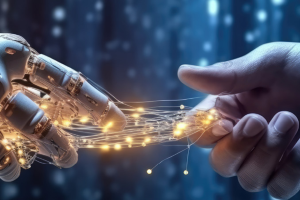
The most successful marketing strategies in 2025 blend AI technology with human creativity. Here’s how businesses can achieve that balance:
1. Use AI for Data, Let Humans Handle Creativity
AI should analyze customer behavior and suggest strategies, while humans focus on crafting creative campaigns that touch emotions.
2. Automate Repetitive Tasks, Keep Personal Interactions Human
AI can automate emails, reports, and scheduling. But when it comes to relationship-building, negotiations, or handling sensitive issues, human marketers should step in.
3. AI for Insights, Humans for Strategy
AI provides predictions and numbers, but humans decide how to align campaigns with brand values and long-term goals.
4. Humanize AI-Driven Campaigns
Even when AI runs a campaign, marketers should review messaging to ensure it feels authentic, ethical, and human-friendly.
Real-World Examples
-
E-commerce: AI suggests products based on past purchases, but human marketers design emotional ad campaigns that connect with customers’ lifestyle goals.
-
Social Media: AI schedules posts at optimal times, while humans create witty captions and engaging visuals.
-
Customer Service: AI chatbots handle FAQs, but human agents take over for complex or emotional cases.
The Future of Marketing: Collaboration, Not Competition
The future isn’t AI vs humans—it’s AI and humans working together. Businesses that rely only on AI risk becoming robotic and impersonal. On the other hand, those that ignore AI will fall behind competitors who are faster and more efficient.
By blending both, companies can achieve:
-
Data-driven precision from AI.
-
Emotional storytelling from humans.
-
Scalable yet authentic campaigns.
-
Smarter decision-making overall.
Conclusion
AI is transforming marketing, but it doesn’t replace human creativity or empathy. Instead of asking “AI vs human marketing,” the real question is: How can businesses combine both for the best results?
The answer lies in balance—using AI for automation, analytics, and personalization, while relying on humans for creativity, ethics, and building emotional connections.
In 2025 and beyond, the winning formula is clear: AI + Human = Smarter, More Human Marketing.
Personalization with AI: Smarter Customer Experiences
 Personalization with AI: Smarter Customer Experiences
In the past, marketing was about reaching as many people as possible with a single message. But times have changed. Customers today expect brands to understand them, speak to their needs, and offer solutions that feel personal and relevant. This is where Artificial Intelligence (AI) is making a huge impact.
With AI, businesses can now deliver smarter customer experiences—tailored interactions, recommendations, and services that feel unique to each person. Instead of one-size-fits-all marketing, AI makes personalization more dynamic, data-driven, and effective.
In this article, we’ll explore how AI-powered personalization is shaping customer experiences in 2025, its benefits, real-world applications, and the balance between personalization and privacy.
Why Personalization Matters More Than Ever
Customers no longer want generic ads or irrelevant emails. According to studies, more than 70% of consumers say they only engage with brands that offer personalized experiences.
Here’s why personalization is crucial:
-
It makes customers feel valued and understood.
-
It improves engagement and loyalty.
-
It increases sales by recommending the right products at the right time.
-
It helps businesses stand out in crowded markets.
However, traditional personalization methods—like adding a customer’s name in an email—are no longer enough. Customers expect real-time, intelligent personalization, and AI makes this possible.
How AI Powers Personalization
AI uses data, algorithms, and machine learning to understand customer behavior and predict their needs. Instead of relying on guesswork, AI analyzes patterns across multiple touchpoints—websites, apps, emails, and even social media—to deliver smarter experiences.
Some key ways AI enables personalization include:
1. Predictive Analytics
AI can forecast what customers are likely to do next. For example, if someone browses running shoes online, AI predicts they may want socks, fitness watches, or workout gear—and recommends them instantly.
2. Real-Time Personalization
AI systems adapt instantly to user behavior. If a customer lingers on a product page, the site may pop up a discount or suggest complementary items in real time.
3. Dynamic Content
AI personalizes emails, ads, and landing pages by changing images, text, and offers based on the customer’s interests.
4. Customer Segmentation
Instead of broad demographics, AI creates micro-segments—clusters of customers with highly specific interests and behaviors. This allows for more targeted marketing.
Real-World Applications of AI Personalization
E-Commerce
-
Amazon uses AI to power its “Recommended for You” section, which accounts for a significant percentage of its sales.
-
Online stores send cart-abandonment reminders with personalized discounts.
Streaming Platforms
-
Netflix and Spotify personalize movie or music recommendations based on viewing and listening habits.
-
Customized playlists or “Top Picks” keep users engaged longer.
Travel and Hospitality
-
Airlines and hotel apps recommend trips based on past bookings.
-
Chatbots help personalize travel packages, upgrades, or dining experiences.
Retail
-
Fashion brands offer personalized style suggestions.
-
Stores send location-based offers when customers are nearby.
Banking and Finance
-
AI helps personalize financial advice.
-
Customers receive tailored loan, credit, or investment recommendations.
Benefits of AI-Powered Personalization
-
Better Customer Engagement
Personalized experiences feel more relevant, so customers are more likely to interact with your brand. -
Higher Conversions and Sales
When products or services match customer needs, purchases increase naturally. -
Improved Loyalty
Customers are more likely to return to brands that “get them.” -
Efficient Marketing
Instead of wasting resources on generic campaigns, businesses focus on what actually works for each customer. -
Stronger Competitive Advantage
In a crowded digital space, personalization powered by AI helps brands stand out.
Challenges and Considerations
While AI personalization is powerful, businesses must also be careful:
1. Data Privacy
Customers are more aware of how their data is used. Businesses need to be transparent, gain consent, and comply with privacy laws (like GDPR and CCPA).
2. Balance Between Personalization and Intrusion
Too much personalization can feel creepy—like when customers think a brand “knows too much.” The key is subtle, helpful personalization, not overreach.
3. Cost and Implementation
AI solutions can be expensive, and smaller businesses may struggle with integration. However, affordable tools are becoming more available.
4. Over-Reliance on AI
AI should support—not replace—human decision-making. Brands still need empathy, creativity, and human oversight to keep experiences genuine.
Best Practices for Smarter AI Personalization
-
Start Small
Begin with email automation or personalized product recommendations before expanding to advanced AI systems. -
Use Quality Data
The better the data, the smarter the AI. Clean, accurate, and up-to-date data is essential. -
Combine AI with Human Creativity
Let AI handle the data and predictions, while humans craft engaging messages and campaigns. -
Be Transparent
Tell customers how you use their data and give them control over preferences. This builds trust. -
Test and Improve
Personalization isn’t “set and forget.” Continuously test, analyze, and refine your approach.
The Future of AI and Personalization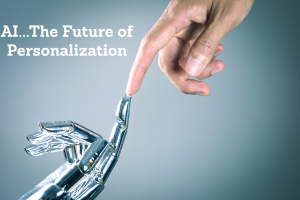
By 2030, customer experiences will likely become even more hyper-personalized. Imagine:
-
Virtual shopping assistants guiding you through online stores.
-
AI predicting needs before customers even search for products.
-
Entire websites adapting layouts, content, and offers for each visitor.
The future is about creating seamless, predictive, and emotionally intelligent experiences—powered by AI but guided by human creativity and ethics.
Conclusion
Personalization is no longer optional—it’s expected. With AI, businesses can move beyond simple tactics and create smarter customer experiences that build loyalty, trust, and long-term success.
By combining AI-driven insights with human creativity, brands can deliver the perfect mix of efficiency and empathy. The key is balance: using AI to make experiences smarter while keeping the human touch alive.
In the end, AI personalization isn’t just about selling more—it’s about creating meaningful connections with every customer.
The Future of Marketing Automation: Trends to Watch
 The Future of Marketing Automation: Trends to Watch
Marketing has always evolved with technology—from print and radio ads to social media and influencer campaigns. Today, marketing automation is leading the way, helping businesses save time, improve personalization, and connect with customers at scale.
But marketing automation isn’t standing still. In 2025 and beyond, it’s becoming smarter, more personalized, and more human. The combination of AI, machine learning, and data-driven strategies is transforming how businesses communicate with customers.
In this article, we’ll explore the key marketing automation trends shaping the future and what businesses should watch to stay ahead.
1. Hyper-Personalization Powered by AI
Generic emails and one-size-fits-all campaigns are quickly fading. Customers now expect experiences tailored to their interests, behavior, and preferences.
Thanks to AI and machine learning, marketing automation platforms can:
-
Customize emails, ads, and offers in real time.
-
Suggest products based on browsing or purchase history.
-
Adapt website content for individual visitors.
For example, an online clothing store can automatically show different homepages—one featuring sportswear for fitness enthusiasts and another highlighting formal wear for professionals.
Why it matters: Personalization builds stronger relationships, improves engagement, and increases sales.
2. Predictive Analytics for Smarter Decisions
Marketing has always been about anticipating customer needs. In the past, this meant analyzing historical data. But the future is about predicting the future.
With predictive analytics, businesses can:
-
Identify customers most likely to make a purchase.

-
Forecast churn (customers likely to leave).
-
Optimize campaign timing for maximum impact.
Instead of reacting to customer actions, businesses can take proactive steps to deliver the right message at the right moment.
Why it matters: Predictive analytics reduces wasted effort and ensures campaigns are more effective.
3. Omnichannel Automation
Customers don’t just interact with brands on one platform—they move between email, social media, apps, and even in-store experiences. The future of automation is seamless integration across all these touchpoints.
Marketing automation tools will:
-
Sync campaigns across channels (email, SMS, social, push notifications).
-
Ensure consistent brand messaging everywhere.
-
Track customers as they move between online and offline experiences.
For example, a customer might see a Facebook ad, receive a personalized email, and get an in-app notification—all aligned as part of one customer journey.
Why it matters: Omnichannel automation ensures customers have a smooth, connected experience no matter where they engage.
4. Conversational Marketing with AI Chatbots
Chatbots have come a long way from basic FAQ bots. Powered by natural language processing (NLP), today’s AI-driven chatbots can:
-
Understand context and intent.

-
Provide personalized product recommendations.
-
Guide customers through purchases.
-
Escalate complex issues to human agents.
In the future, chatbots will act as virtual sales assistants, blending human-like conversations with real-time personalization.
Why it matters: Conversational marketing makes interactions faster, more engaging, and available 24/7.
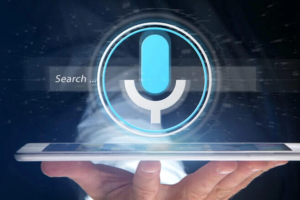
5. Voice and Visual Search Integration
With the rise of smart speakers (like Alexa, Siri, and Google Assistant) and visual platforms (like Pinterest and TikTok), customers are searching in new ways.
Marketing automation will evolve to:
-
Optimize campaigns for voice search queries (longer, conversational phrases).
-
Integrate with visual search, where customers upload images to find products.
-
Deliver voice-enabled reminders, offers, and updates.
Why it matters: Businesses that adapt to voice and visual search will reach customers in ways competitors miss.
6. Data Privacy and Ethical Automation
As marketing becomes more data-driven, privacy is a growing concern. Customers want personalization, but they also want control over their information.
Future automation platforms will focus on:
-
Transparent data collection.
-
Consent-driven personalization.
-
Compliance with global regulations (GDPR, CCPA, and AI-specific laws).
Brands that strike the right balance between personalization and privacy will build trust and long-term loyalty.
Why it matters: Respecting privacy is not just ethical—it’s a business advantage.
7. AI-Generated Content and Creative Automation
Automation isn’t just about sending emails—it’s also about creating content. AI tools can now generate:
-
Email subject lines optimized for engagement.

-
Blog outlines and ad copy.
-
Short-form videos and personalized visuals.
While AI won’t replace human creativity, it will support marketers by speeding up content production and helping test multiple variations.
Why it matters: Businesses can create more content, faster, without sacrificing quality.
8. Deeper Integration with CRM and Sales
In the past, marketing and sales often worked in silos. Future marketing automation tools will integrate deeply with customer relationship management (CRM) systems and sales platforms.
This means:
-
Marketing data flows directly into sales pipelines.
-
Sales teams get real-time insights about customer behavior.
-
Lead nurturing becomes fully automated, from first touchpoint to purchase.
Why it matters: The line between marketing and sales is blurring, leading to more unified customer journeys.
9. Emotional AI for Customer Insights
A major trend to watch is emotional AI—technology that detects customer emotions through voice, text, or facial expressions.
For example:
-
Ads can be tested for emotional impact before launching.
-
Chatbots can adjust tone if a customer sounds frustrated.
-
Campaigns can be personalized not just by data, but by mood.
Why it matters: Understanding emotions helps brands create campaigns that resonate more deeply.
10. Marketing Automation for Small Businesses
In the past, advanced automation tools were expensive and used mostly by large enterprises. But in the future, affordable and user-friendly platforms will make automation accessible to startups and small businesses.
Cloud-based tools, free tiers, and simplified interfaces will allow even small teams to:
-
Automate customer journeys.
-
Personalize emails and ads.
-
Compete with larger players.
Why it matters: Democratization of automation levels the playing field for businesses of all sizes.
The Future: Human + AI Collaboration
As automation grows, one thing remains clear: technology can’t replace human creativity, empathy, and strategy. The future of marketing automation is about collaboration:
-
AI + Data = Precision, speed, and personalization.
-
Humans + Creativity = Storytelling, empathy, and brand identity.